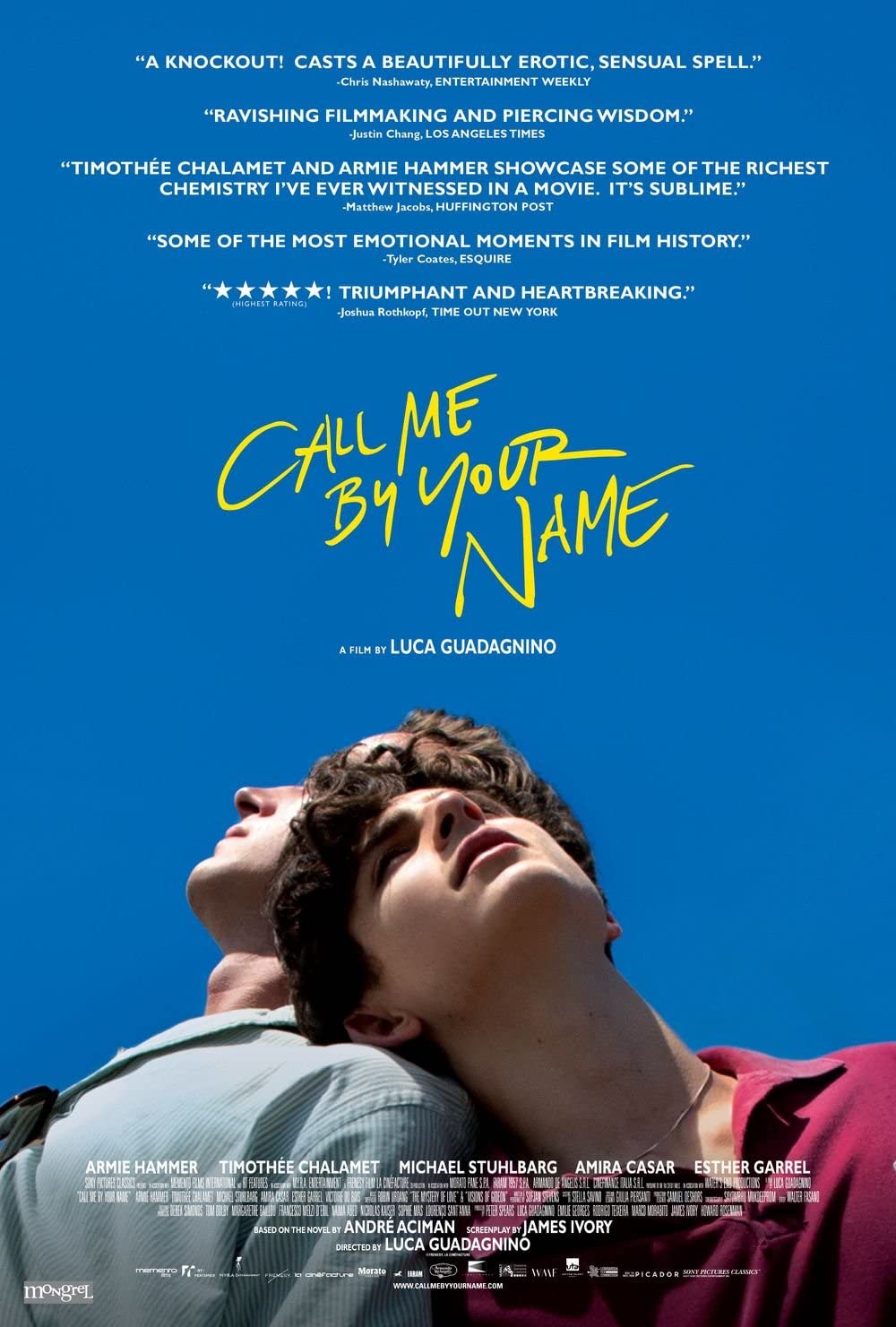

Before You Read
Guidelines for using this film review 😊 💕
- It’s best to watch this movie before reading this review, because this review will discuss the photographic aspects of the movie 🎞
- You can play the relevant playlist of the movie while reading this review to increase the immersion and understanding of the movie 🎶
‘Call me by your name’ can be said to be one of my favorite movies of 2017, and its cinematic photography is believed to impress many moviegoers. No matter from the perspective of composition or color, this movie can be regarded as an excellent work, so that everyone can not extricate themselves from being immersed in a certain summer in Italy for a long time. Yes, this movie is a love story happened in a small town in Italy. In this article, I will analyze one of the reasons for the success of this film from the perspective of cinematography.
Introduction of Director of Photography
Obviously, the director of photography of a film is the soul of the film’s cinematography, and the director of photography of this film is Sayombhu Mukdeeprom.
Let me briefly introduce his career and how he became attached to the film. His hometown is Thailand. At the beginning of his career, he worked as a director of photography in Thailand. During this period, he shot many popular movies in Thailand, thus accumulating valuable experience. Later he met the famous Italian director Luca Guadagnino. The two of them collaborated to film ‘Call me by your name’ and ‘Suspiria’. He won the Independent Spirit Award for ‘Call me by your name’, which made him gradually known to overseas audiences outside of Thailand.
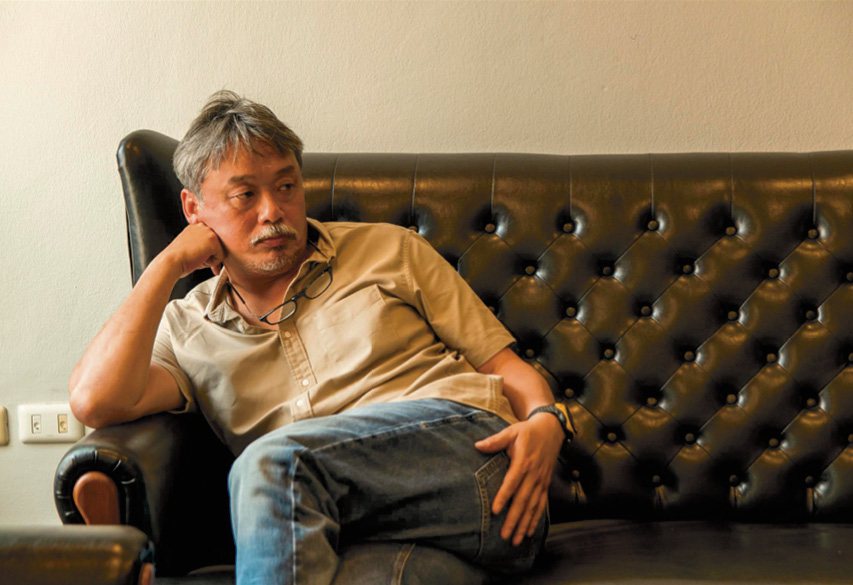
An interview with Sayombhu “Song” Mukdeeprom.
https://bk.asia-city.com/city-living/news/cinematographer-sayombhu-song-mukdeeprom-call-me-by-your-name
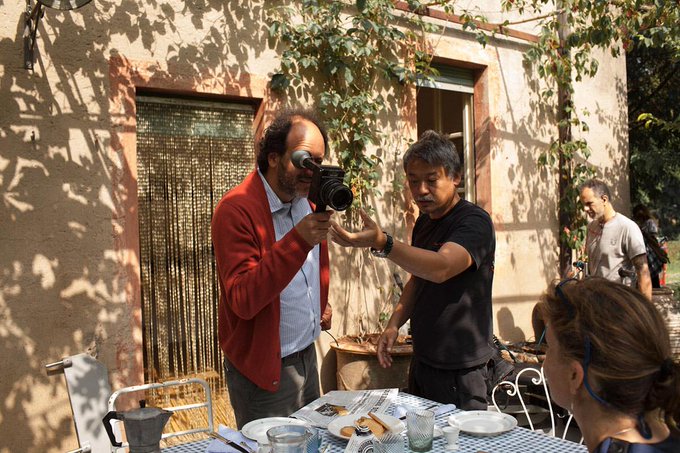
Mukdeeprom’s Photography Principle
“My principle is that I cooperate with people, I let things happen, I go by the environment.”
Sayombhu Mukdeeprom
It can be seen that his photography style is not preset, fixed, and rigid. He cares about the interaction with the environment, real-time interaction can bring unexpected inspiration and many details (including emotions). These details are an integral part of film photography. This is the uniqueness that no one else can copy. On a certain day in life, shooting in a certain scene, working with certain people, these are all the flow of vitality. A photographer’s wisdom and talent can be displayed in this interaction.
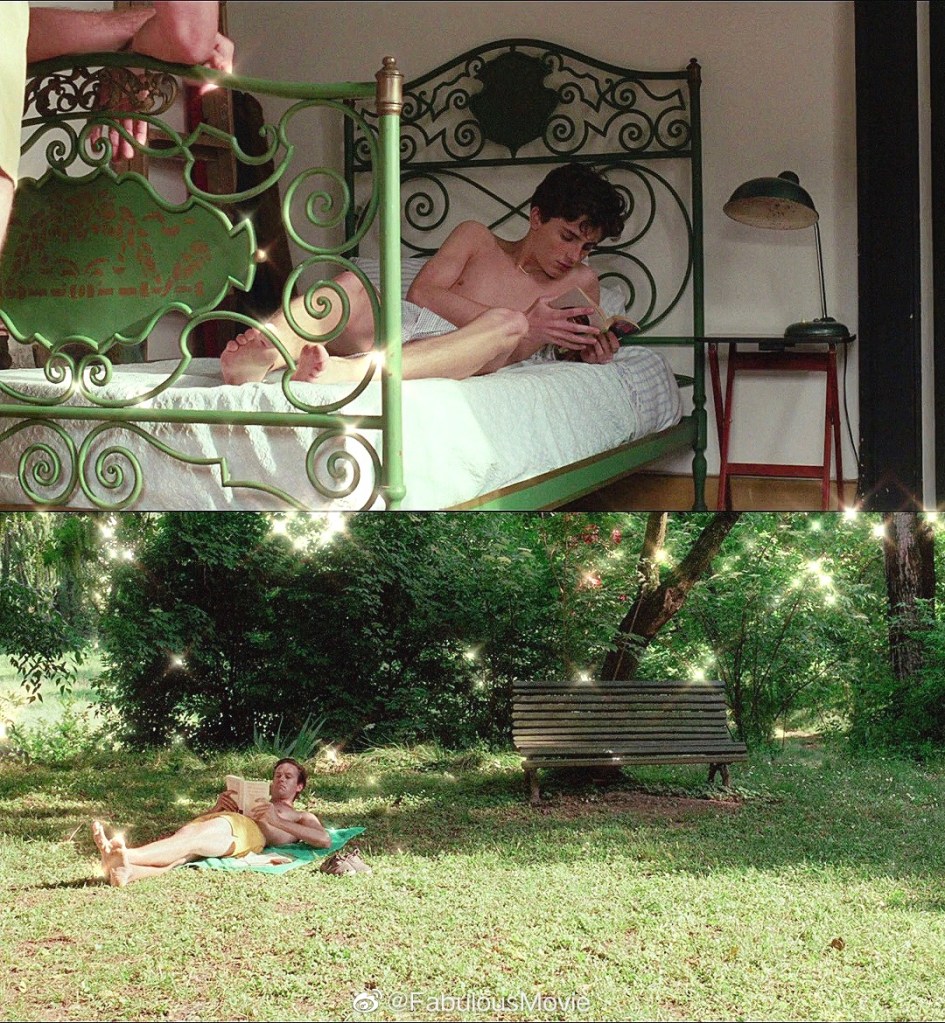
The Cinematography Style of The Film
It can be viewed as Raw Realist Visual Style/ Naturalistic Classic Style
In many cases, for an experienced and talented artist, they do more to cut the complex and simplify, return to the basics, because they finally realized that the real is the most beautiful thing. I think this is because once we are proficient in one thing to a certain level before we can truly understand it, we will then realize what is the most important thing that cannot be erased and what can be discarded. This idea coincides with ‘Cinematography never tries to do too much.’ Cinematography is only a part of the cornerstone of the art of film, so it should not be overpowering, and it is best to be as close to the real as possible to restore the details of the time, leaving more room for the actors to play.
In the following paragraphs, I will analyze the photography style of the film from three aspects: treatment of light; frame; use of filters.
Use of Light
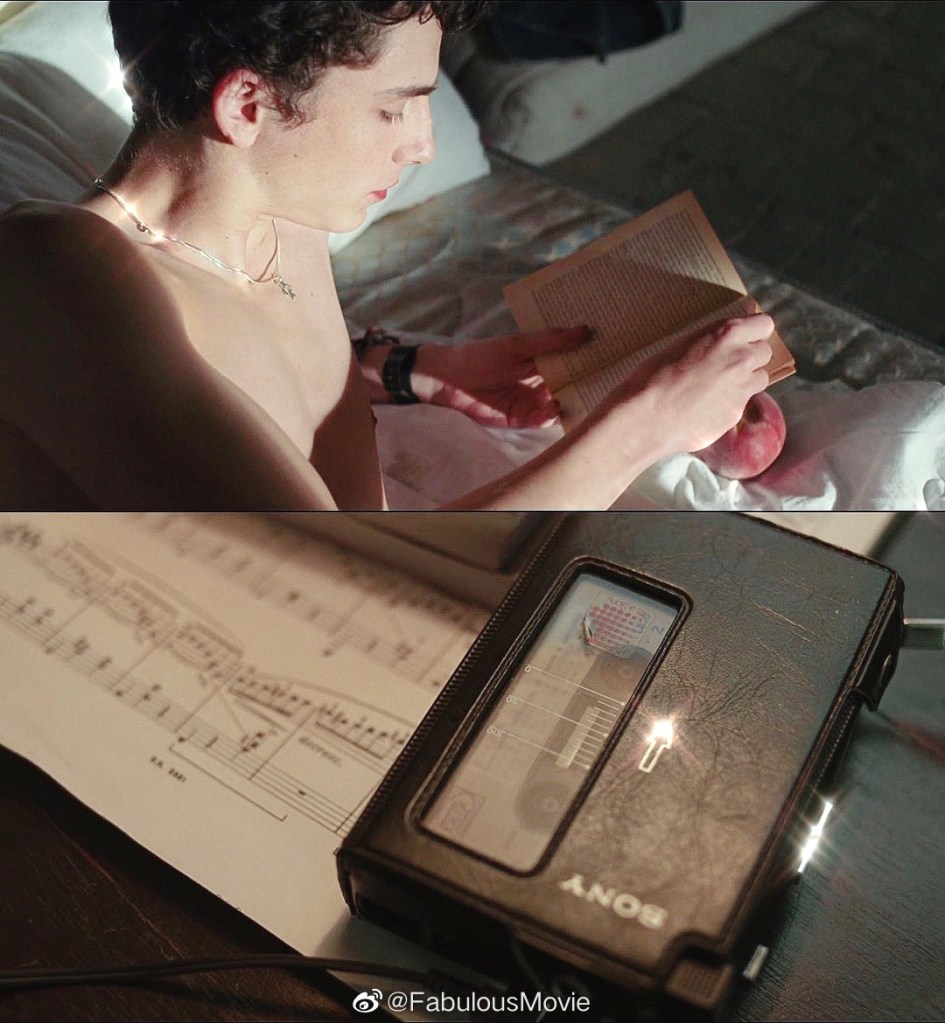
His photography style runs through his use of light, so his setting of light in the scene is more based on realism. Inspired by natural light from the built environment, natural light is used by Sayombhu Mukdeeprom.
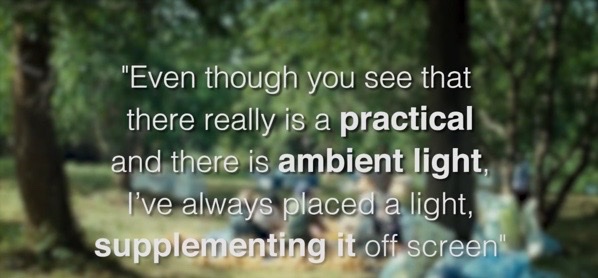
When asked about the choice and use of natural light, he answered like this: ‘That’s correct, but it’s still lit in some way. Even though you see that there really is a practical and there is ambient light, I’ve always placed a light, supplementing it off screen.’
Sayombhu Mukdeeprom
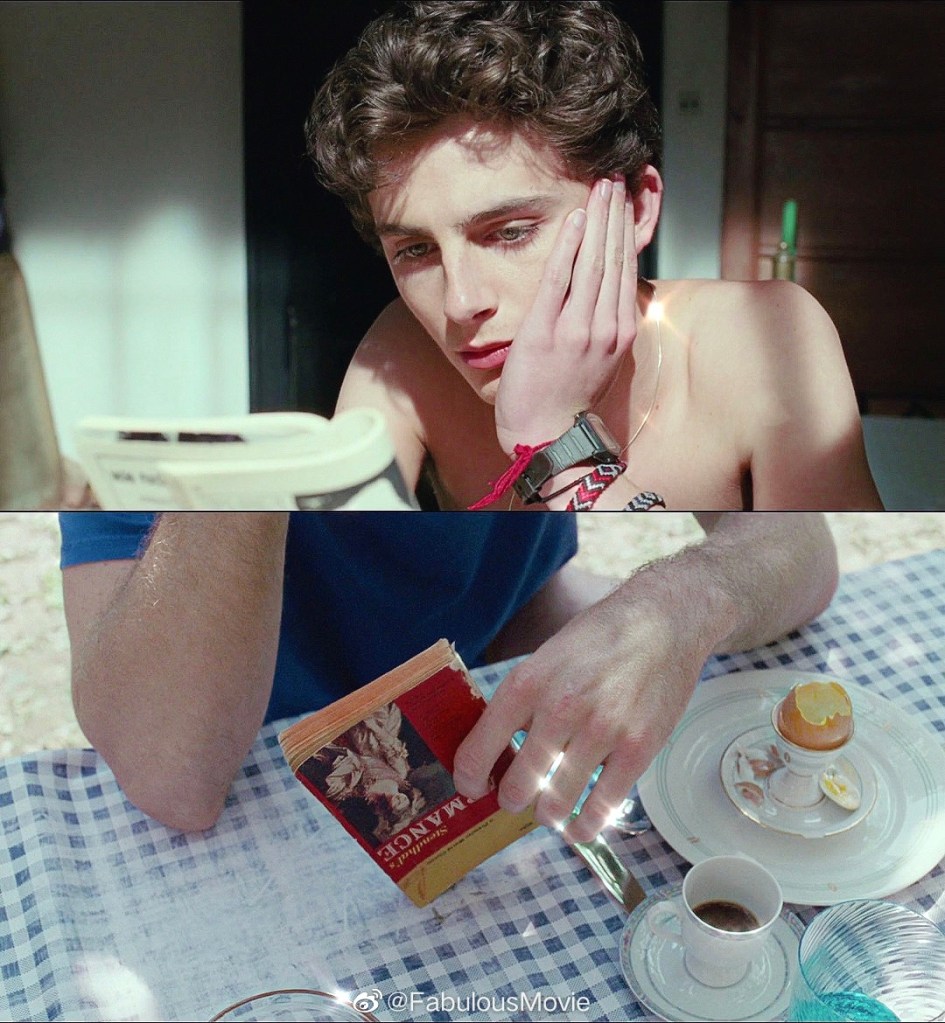
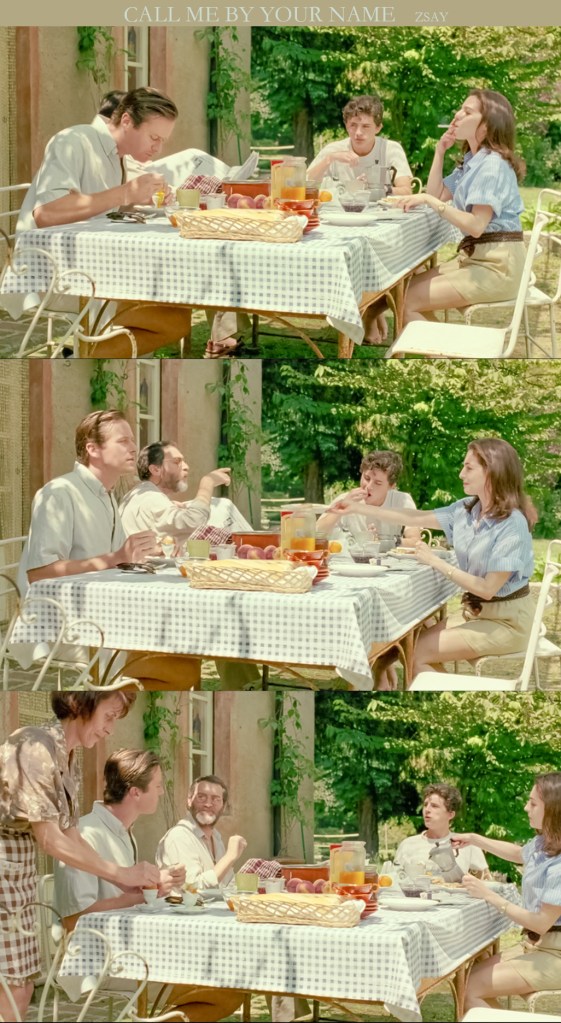
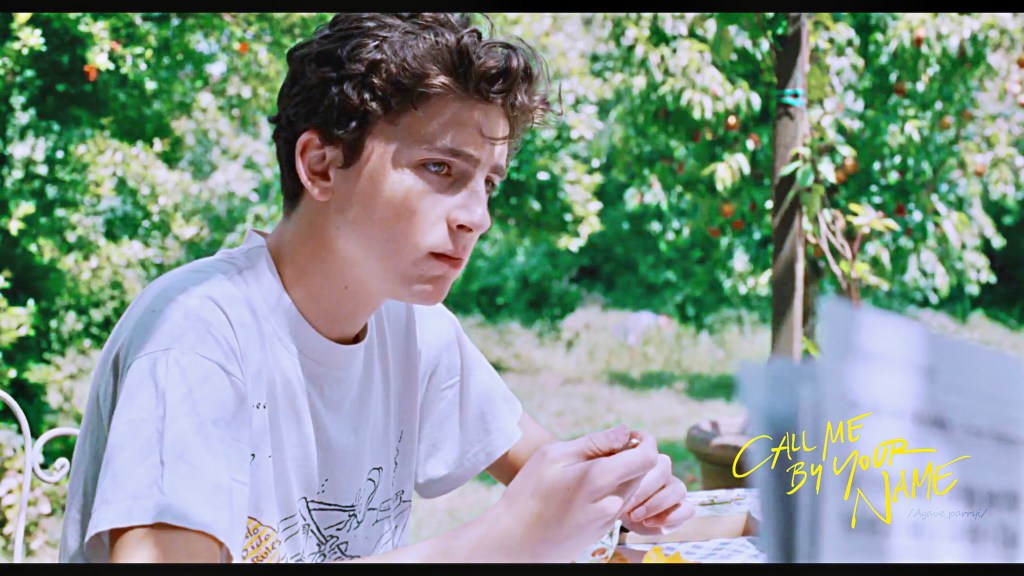
So he not only uses natural light, but also adds auxiliary light to magnify the advantage of natural light in the scene. Take the scene of a family breakfast in the movie as an example. It’s a sunny outdoor set, the film director did not add too many artificial light sources, but chose sunlight as the main light source. Here is another example. When Elio was waiting for Oliver, he wandered lonely in the garden. It was in the evening, and the dusk had already disappeared. The director of photography did not add additional light sources but tried to darken the entire picture and used true colors of the environment.
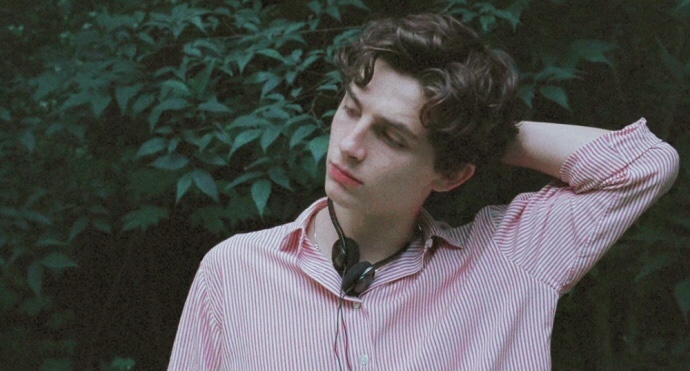
Frame and Composition
The composition should be the most intuitive way to experience the skills of a director of photography, because the composition of the movie acts as the audience’s eyes, leading the audience to experience the scenes in the movie and understand the development of the plot. Whether the choice of composition fits the theme of the movie is very important. Composition is called ‘lens language’, serving the expression of the main theme of the film rather than being overwhelming. In this regard, Sayombhu Mukdeeprom has exercised restraint and is just right.
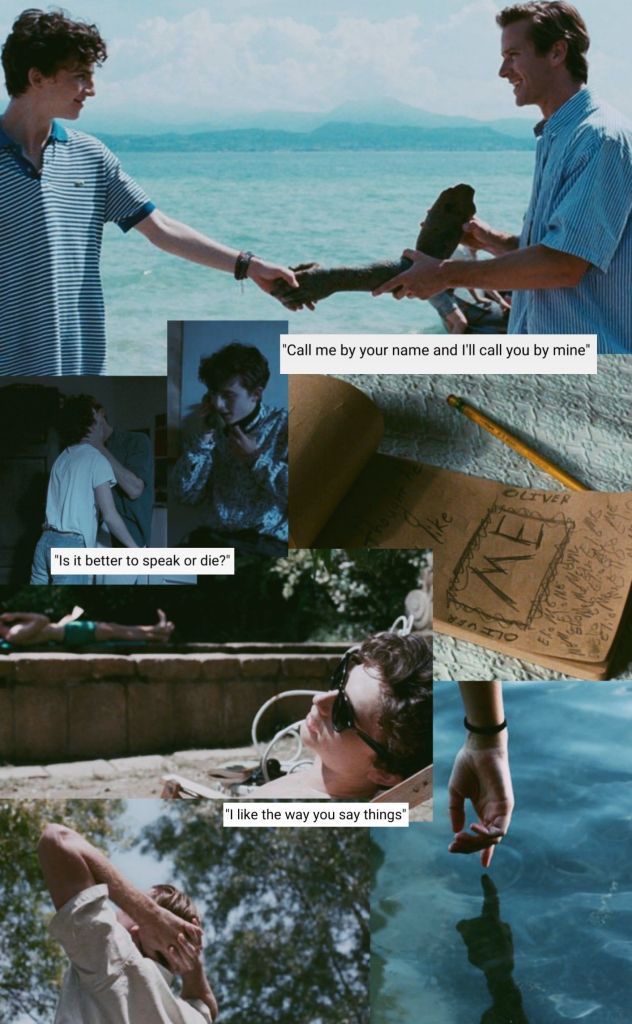
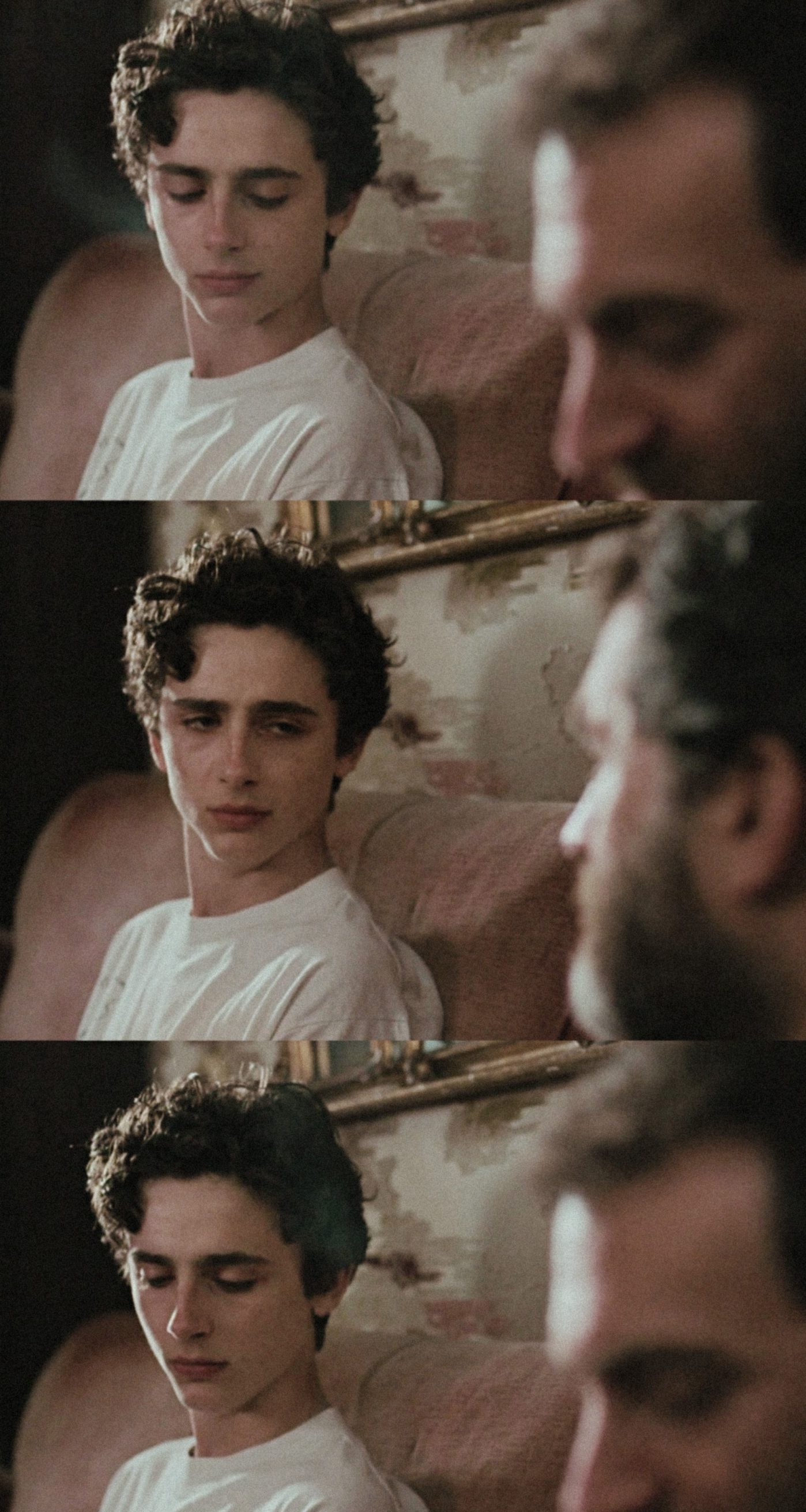
Under normal circumstances, the film uses a medium to large frame, so that it can cover the details of the large scene. But in the specific portrayal of the characters, the characters will be close-up. For example, in the film, the male protagonist Elio gave a lot of personal close-ups to convey his loneliness and helplessness when he was eagerly looking forward to Oliver.
Use of filters
He prefers to not use any correction filters. This again confirms the style of this movie: raw and realistic.
Overall, there are still much knowledge of the cinematography of this film, I hope you find my review article useful and enjoy watching the film! 😊
SEE YOU NEXT TIME.
Check out the following video if you want to learn more about the details of the cinematography of the film ‘Call Me By Your Name’
<Cinematography Style: Sayombhu Mukdeeprom>
@In Depth Cine
https://www.youtube.com/watch?v=ljEnU1Ctoks
 Amphyiii is here